Research Objective
My work in Medical AI is about using deep learning to help identify cancer earlier. I'm building models that can analyze complex medical scans—like histopathology and radiology images—to find patterns that might be easy to miss. My goal isn't just to make these models accurate, but also to make their decisions easy for doctors to understand.
Model Training & Validation
A big part of my research involves training "generative" models. These models learn to create synthetic medical images that look almost exactly like the real ones. This helps me expand my training data and makes the final detection models much more robust.
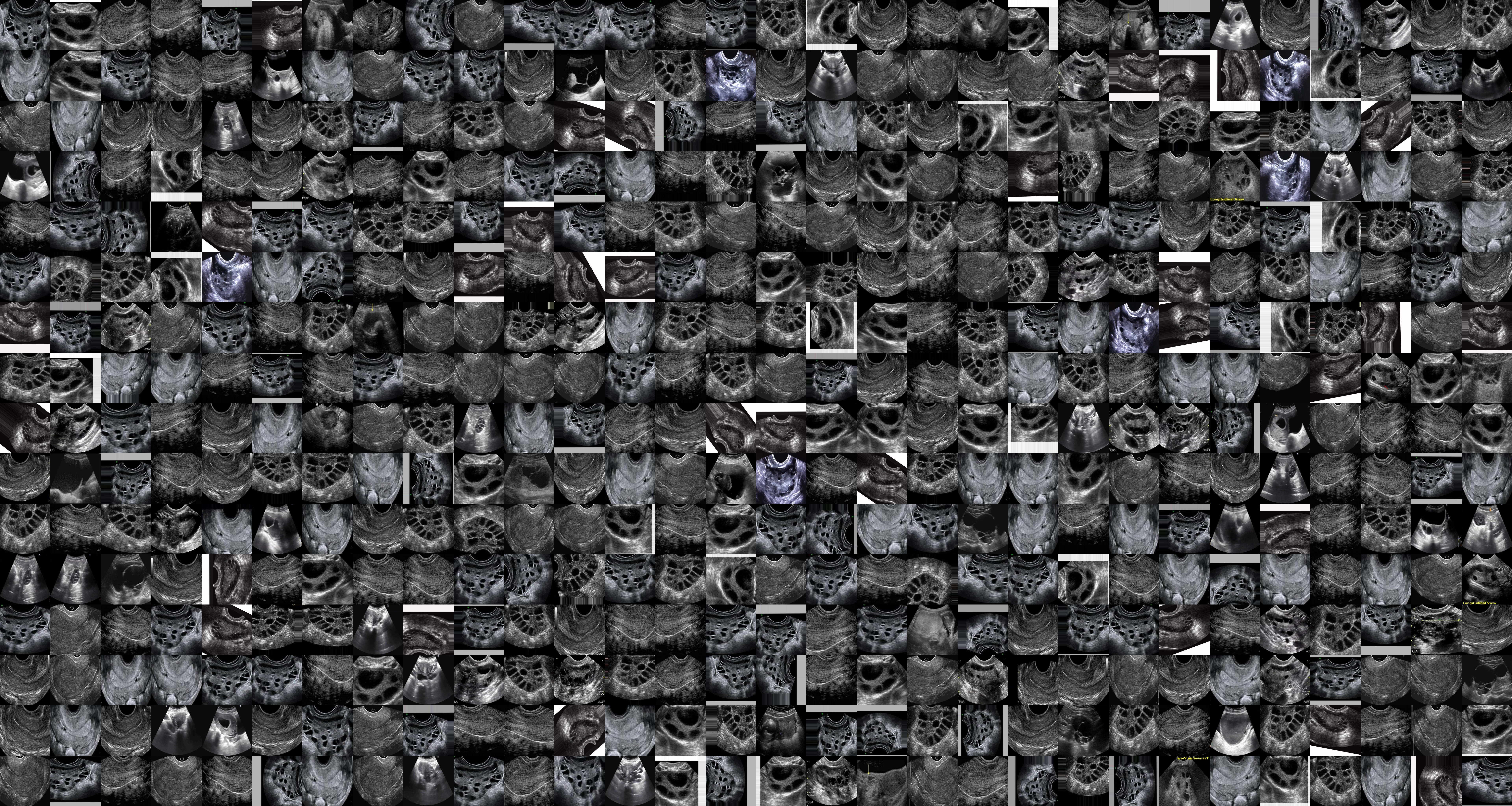
The synthetic generation process mimics the complex features of histopathology images. Below are some of the samples my model generated during the initial training phase.
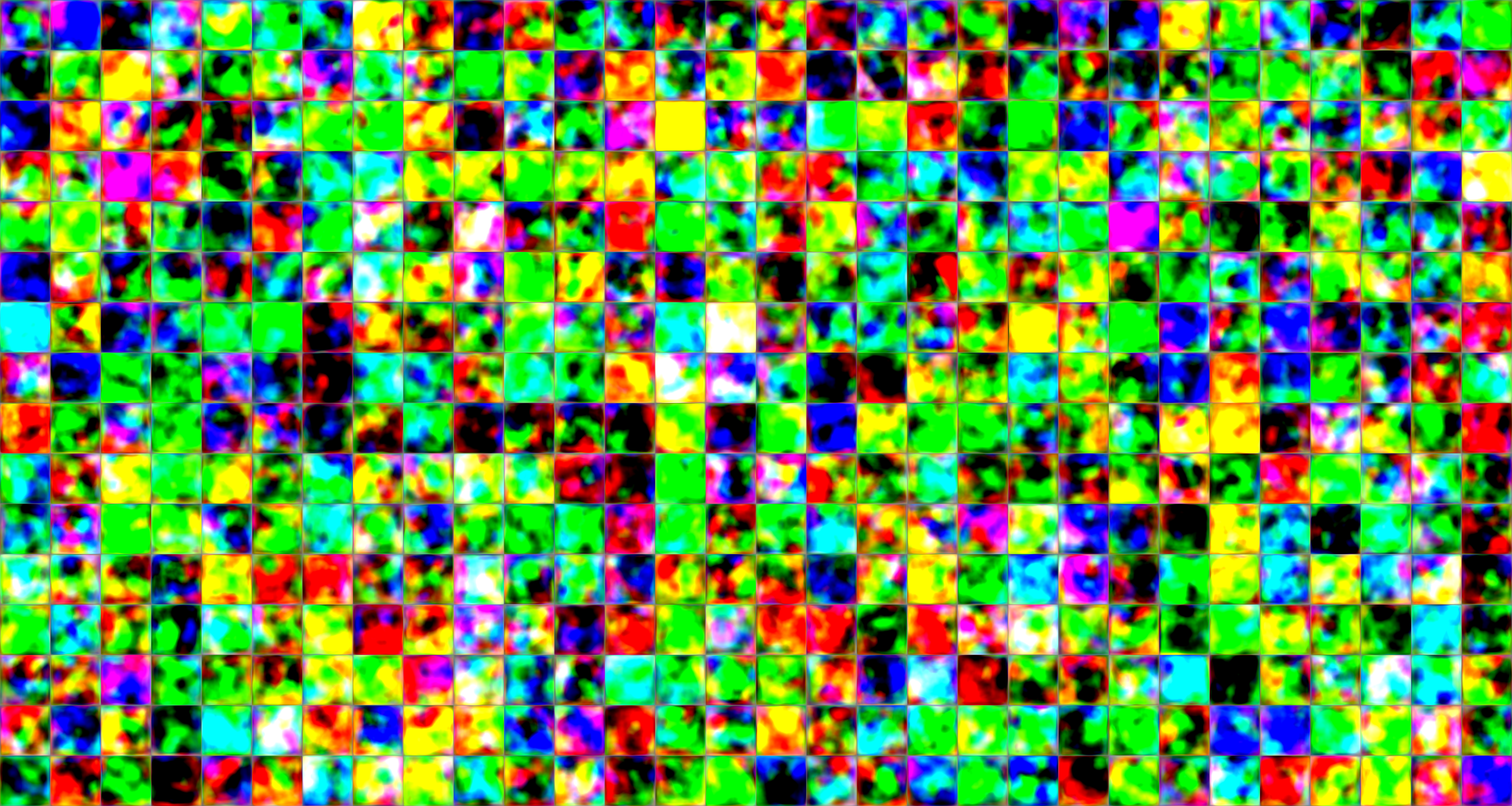
By using these techniques, I'm aiming to:
- Catch cancer earlier: Reducing the number of cases that might otherwise be missed.
- Solve data shortages: Using AI to generate balanced datasets when real medical data is scarce.
- Build trust: Creating "attention maps" so clinical reviewers can see exactly what the AI is looking at.
What I'm focused on now
Right now, I'm experimenting with Vision Transformers (ViTs) and self-supervised learning. These methods are showing a lot of promise in getting high accuracy even when we don't have thousands of labeled images to work with.